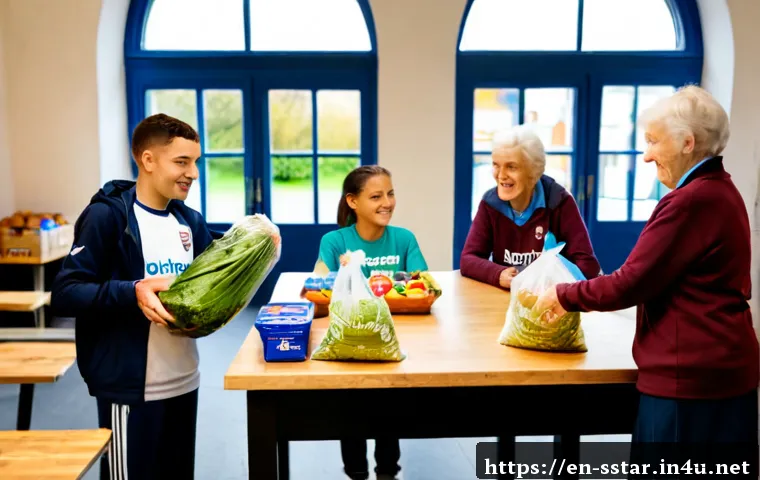
Marcus Rashford’s public campaigns have focused on children’s food insecurity in England and better access to books and reading opportunities. His advocacy was linked to the UK government’s 2020 reversal on free school meal vouchers for the summer holiday period, while his partnerships have also supported food redistribution and youth literacy.

For people who want to help, the most useful choice depends on the local need: emergency food, school-holiday support, or books and reading spaces. A charity donation can be more effective when the organisation clearly explains its local coverage, programme purpose, and accepted forms of support.
Rashford’s work is a useful example of how public advocacy, charity partnerships, and community action can work alongside each other. It also shows why supporters should check current information before giving money, food, books, or time.
At a Glance
- Marcus Rashford has publicly campaigned for children experiencing food insecurity in England, including during school holidays.
- His work has included collaboration with FareShare and the Child Food Poverty Taskforce, alongside wider attention to nutritious food and family financial pressure.
- His book club partnership with Macmillan Children’s Books has focused on improving children’s access to reading.
| Type of support | Main purpose | What to check before helping |
|---|---|---|
| Food redistribution charity | Moves surplus food to frontline community organisations | Local delivery partners, requested items, and current donation options |
| School meal or holiday provision support | Helps address food needs when school routines are interrupted | Eligibility, local availability, and whether support is direct or delivered through partners |
| Children’s literacy programme | Improves access to books and reading opportunities | Age suitability, book requirements, and how materials reach children |
What Rashford’s Public Campaigns Have Focused On
Marcus Rashford has used his public platform to draw attention to child hunger, access to nutritious food, and opportunities for young people. The central message has been practical: children facing financial pressure at home can need support beyond the school term. Public attention can make these issues more visible, but it does not replace the work of local charities, schools, and community groups.
Food Insecurity During School Holidays
Rashford publicly campaigned for support for children experiencing food insecurity in England. In 2020, his advocacy was associated with the UK government reversing its position on providing free school meal vouchers during the summer holiday period. The issue is often described as holiday hunger: families may face extra pressure when children are not receiving meals through the normal school routine.
It is important not to assume that every food-related campaign works in the same way. Some focus on policy, some direct people to local services, and others support food distribution. Before donating, check what the organisation is currently offering in your area.
Access to Books and Reading Opportunities
Rashford also partnered with Macmillan Children’s Books on the Marcus Rashford Book Club initiative. Its focus has been children’s access to reading. Book access can matter when families, schools, and community spaces have limited resources for building a varied reading collection.
A book donation is most useful when it fits a real need. A children’s library, school, youth club, or community project may have specific age groups, formats, or themes they can accept. Asking first is usually better than arriving with unwanted stock.
Why Public Advocacy Can Influence Policy Discussions
High-profile advocacy can bring wider attention to a problem and encourage public discussion. Rashford’s campaigning has highlighted food access, family financial pressure, social mobility, and opportunities for young people. However, advocacy, fundraising, and service delivery are different roles. A public figure may raise awareness while charities and local organisations handle the practical work on the ground.
Food Access, School Support, and Literacy: How the Approaches Differ
These forms of help can overlap, yet they answer different needs. Choosing the right donation or volunteering route starts with identifying whether the priority is food now, support linked to school holidays, or longer-term reading access.
Food Redistribution Through Community Organisations
FareShare is a UK food redistribution charity that supplies frontline organisations with surplus food. This model supports community organisations that can prepare, distribute, or otherwise provide food locally. It is not the same as an individual food parcel appeal, so the best way to help may vary by location and partner organisation.
When researching a food charity, look for a clear explanation of how food moves from donor to community. Check whether it serves your region and whether it currently needs cash donations, specific goods, or volunteers.
Support Connected to School Meals and Holiday Provision
Support connected to school meals and holiday periods addresses a specific gap: children may need reliable food access when school is closed. Campaigns in this area may involve vouchers, local holiday provision, school-connected support, or advocacy for broader policy action.
Do not rely on an old announcement when deciding where to give. Eligibility rules, programme funding, and local service availability can change. A school, local authority, or relevant charity can explain what support is currently available.
Book Access and Youth Literacy Initiatives
Literacy initiatives may provide books, encourage reading, or connect children with reading opportunities through schools and community settings. The Marcus Rashford Book Club initiative sits in this wider effort to make reading more accessible.
For donors, the key question is simple: will this book or contribution match the children being served? New or well-kept books may be appropriate only when the receiving organisation requests them. Cash support can sometimes give a programme more flexibility to obtain the books it actually needs.
How to Evaluate a Charity Before Giving Money or Supplies
A recognisable campaign can be a starting point, not the final reason to donate. A careful check helps you match your support with an organisation that can use it well.
Check Local Reach, Financial Transparency, and Programme Purpose
Read the charity’s official information for its stated purpose, geographical coverage, and current programmes. Look for a clear explanation of how donations, food, books, or volunteer time are used. Transparency does not mean a promise of a specific individual outcome; it means the organisation explains its work in a way donors can assess.
Compare Cash Donations, Requested Goods, and Volunteering
Cash donations can give a charity flexibility, particularly where it needs to buy particular supplies or cover delivery. Requested goods can be valuable when a food bank, school, or literacy project has published a current list. Volunteering may suit people who can give time consistently and meet the organisation’s requirements.
Before choosing, check the charity’s donation page or volunteer information for accepted options and practical conditions.
Avoid Unsuitable Donations and Outdated Appeals

Unrequested food, damaged books, and expired campaign posts can create extra work rather than useful support. Avoid treating social media posts as permanent guidance. Confirm the current need directly with the organisation, especially before organising a larger collection.
Practical Ways Families, Fans, and Local Groups Can Help
Support does not need to be complicated. Small, well-targeted action can be more helpful than a broad collection with no receiving plan.
Supporting Local Food Banks Responsibly
Start with a local food bank or community organisation’s current request list. If it accepts financial gifts, consider whether a cash donation may allow it to respond more flexibly. If you are donating food, provide only suitable items requested by that organisation.
Donating Books Through Appropriate Community Channels
Contact a school, library, youth club, or children’s charity before collecting books. Ask about ages served, preferred condition, and whether the group needs books at all. This protects staff and volunteers from having to sort unusable donations.
Organising School, Workplace, or Club Collections
A collection works best when one organisation has agreed to receive it in advance. Set a clear purpose, such as requested food items or suitable children’s books, and share the deadline and drop-off details. Keep the message focused on the receiving organisation’s current needs rather than the fame of a campaign.
When Direct Support May Be More Useful Than a High-Profile Campaign
High-profile campaigns can raise awareness, but direct local support may be the better fit when a nearby organisation has an immediate and clearly stated need.
Matching Help to Immediate Local Needs
If a community group has a current shortage, supporting that request may produce a more direct local benefit. This could mean food redistribution, a school-holiday activity, or a reading project. The right choice depends on the organisation’s capacity and the needs it identifies.
Considering Recurring Versus One-Time Contributions
A one-time gift can help with an urgent appeal. A recurring donation or regular volunteer commitment may help an organisation plan, but only choose that option if it is sustainable for you. There is no need to overcommit; reliable support at a manageable level is usually more practical.
Choosing a Reputable Way to Help: Comparison Summary
Use these checks before making a charity donation, supplying goods, or volunteering: Does the organisation serve your area? Is its purpose clear? Does it explain current donation options? Are the requested items specific? Can it show how support reaches children, families, schools, or community partners?
For food access, consider a food redistribution charity or a local food bank with a current request list. For school-linked needs, look for organisations that clearly explain holiday or school support. For reading access, choose a literacy programme, school, library, or youth group that confirms what books or funding it can use. Check the organisation’s official page for current guidance and donation details.
Closing Thoughts
Marcus Rashford’s public work has brought attention to child food insecurity, school-holiday pressure, and access to books. His example also highlights a useful distinction: awareness can open the conversation, while charities and local groups deliver support in practical ways. The most responsible response is to check current local needs before giving. That makes food, funds, books, and volunteer time more likely to be useful.
Useful Things to Know
1. Food redistribution, school support, and literacy programmes may serve different needs.
2. Cash, goods, and volunteering are not interchangeable; each organisation may prefer one option.
3. Current information matters because services and appeals can change.
4. A local organisation may be the best place to start when you want to help quickly.
Important Notes
The current funding, operating status, and reach of initiatives connected with public campaigns may change over time. It should not be assumed that every organisation associated with a campaign receives funds directly from Marcus Rashford. Verify donation outcomes, administrative information, accepted supplies, and local availability directly with the relevant charity or community organisation.
Frequently Asked Questions
Q1. What charities has Marcus Rashford supported for children’s food access?
A1. His public work has included collaboration with FareShare, a UK food redistribution charity, and the establishment of the Child Food Poverty Taskforce. His campaigning has also focused on support for children experiencing food insecurity in England. Check each organisation’s official information for its current work and donation options.
Q2. Is it better to donate money or food to a local food bank?
A2. It depends on the food bank’s current needs. Cash can provide flexibility, while requested food items can be useful when the organisation has a specific list. Check its official guidance before donating so your support matches what it can use.
Q3. How can I check whether a children’s charity is reputable before donating?
A3. Review its official information for programme purpose, local coverage, current donation methods, and an explanation of how support is delivered. Confirm whether it accepts money, goods, or volunteers, and avoid relying only on outdated appeals or social media posts.