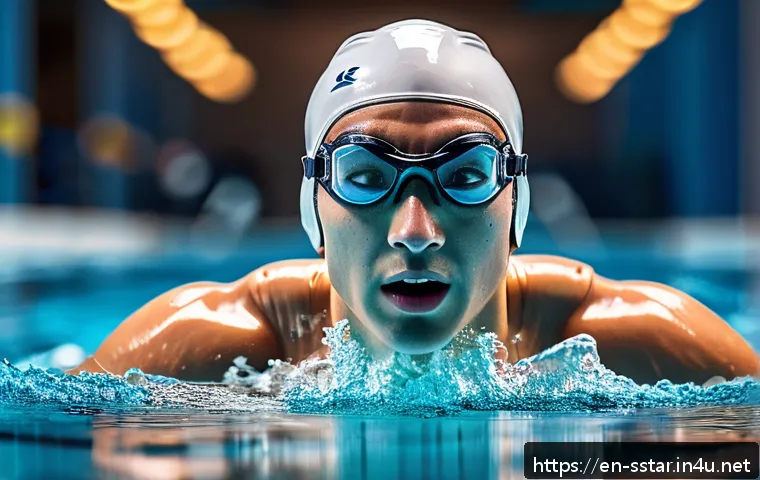
In a world where breaking records seems almost routine, Michael Phelps’ journey stands apart as a beacon of relentless dedication and unmatched discipline.

As conversations around elite athletic training evolve, uncovering the secrets behind his legendary success offers fresh insights not just for athletes but for anyone aiming to push beyond their limits.
I’ve always been fascinated by what sets true champions apart, and diving into Phelps’ regimen revealed surprising strategies that go far beyond physical endurance.
Whether you’re chasing personal goals or simply curious about the mindset of a legend, exploring these untold training secrets promises to inspire and inform.
Stick around—this deep dive might just change how you approach your own challenges.
Mastering Mental Toughness Beyond the Pool
Harnessing Visualization Techniques for Peak Performance
One of the lesser-known yet incredibly powerful tools used by elite athletes like Michael Phelps is the art of visualization. Long before hitting the water, Phelps would mentally rehearse every stroke, turn, and breath, picturing himself gliding through the pool with precision and ease.
This mental imagery primes the brain for success, reducing anxiety and sharpening focus. What struck me most was how detailed his visualization sessions were—not just picturing the race outcome but feeling the water resistance, hearing the crowd, and even anticipating competitors’ moves.
This level of immersive mental practice can be a game-changer for anyone looking to improve performance in sports or other high-pressure situations.
Building Resilience Through Mindful Reflection
Beyond physical training, Phelps invested heavily in reflecting on both victories and setbacks. This wasn’t about dwelling on failures but extracting valuable lessons to fuel continuous improvement.
He cultivated a habit of journaling and discussing emotions with his coach and support team, which strengthened his emotional intelligence and resilience.
From what I gathered, this process made him more adaptable and less likely to be derailed by pressure or unexpected challenges. For everyday goal-getters, adopting a regular reflection practice can help maintain motivation and mental clarity, especially when progress stalls or obstacles arise.
Creating Routine to Anchor Consistency
Another fascinating insight is how Phelps created daily rituals that anchored his mindset and prepared him for rigorous training sessions. Whether it was his pre-swim warm-up or post-practice cooldown, these routines provided structure and familiarity in the chaos of competition season.
I found that having such rituals not only conserves mental energy but also signals the brain to shift into “performance mode.” This can be incredibly useful for anyone juggling multiple responsibilities who wants to build consistency in their own endeavors.
Innovative Cross-Training Approaches That Enhanced Endurance
Incorporating Dryland Workouts for Strength and Flexibility
While swimming was obviously the centerpiece of Phelps’ regimen, he invested a surprising amount of time in dryland training—workouts done outside the pool to build complementary strength and flexibility.
This included weight training, core exercises, and yoga, which collectively improved his power and injury resistance. I remember reading about how these sessions were tailored to enhance muscle groups critical for swimming but also to maintain overall body balance.
For those who focus heavily on one discipline, adding cross-training elements can boost endurance and reduce burnout, based on what I’ve seen in Phelps’ approach.
Utilizing Resistance Training to Mimic Water Resistance
Phelps’ trainers cleverly integrated resistance bands and specialized equipment to simulate the drag and resistance of water, even when he wasn’t swimming.
This method not only builds muscle endurance but also improves stroke efficiency by reinforcing correct movement patterns. What stood out to me was how this dryland resistance training was synchronized with pool workouts to maximize gains without overtraining.
For athletes or fitness enthusiasts, this illustrates the value of mimicking sport-specific demands in varied environments.
Balancing Intensity with Active Recovery
A key to Phelps’ longevity was his strategic use of active recovery days, where low-intensity activities like light swimming, stretching, or even walking helped his body heal without losing momentum.
I’ve personally experienced how skipping recovery can lead to burnout, so seeing how meticulously Phelps balanced work and rest was enlightening. This balance ensures sustained performance over time, a lesson that transcends sports and applies to any demanding lifestyle.
Precision Nutrition Tailored to Sustain Elite Performance
Customizing Caloric Intake to Match Training Load
Michael Phelps was famous for his enormous caloric needs, reportedly consuming upwards of 8,000 calories a day during peak training. But it wasn’t just about quantity—his diet was carefully adjusted to provide the right fuel at the right times.
I found it fascinating how nutritionists crafted meal plans that matched his daily training intensity, ensuring he had ample energy without feeling weighed down.
For anyone pushing physical limits, understanding how to align nutrition with activity can unlock new levels of endurance and recovery.
Prioritizing Nutrient Timing for Optimal Recovery
Beyond what he ate, when he ate was equally important. Phelps timed his meals and snacks to optimize glycogen replenishment and muscle repair, often consuming protein and carbs immediately after training.
This approach minimizes muscle breakdown and accelerates recovery, something I’ve come to appreciate deeply in my own workout routines. It’s a reminder that small timing adjustments in nutrition can have outsized effects on performance.
Hydration Strategies to Maintain Peak Focus and Energy
Dehydration is a silent performance killer, and Phelps’ team paid close attention to his fluid intake throughout the day. This wasn’t just water; electrolyte balance was carefully managed to prevent cramps and maintain cognitive sharpness during grueling sessions.
I’ve noticed how easy it is to overlook hydration, yet it’s fundamental for sustained energy and mental clarity. Adopting a hydration plan similar to Phelps’ could help anyone avoid the mid-day energy slumps that often sabotage productivity.
Strategic Scheduling That Maximizes Training Efficiency
Periodization: Cycling Intensity to Peak at the Right Moments
Phelps’ training wasn’t a constant grind but a carefully planned cycle of varying intensity, known as periodization. This method allows the body to adapt and peak precisely during competitions.
I was intrigued by how his coaches would ramp up workload gradually, then taper off to ensure freshness. This contrasts sharply with the “all-out all the time” mentality many fall into, highlighting the importance of smart scheduling in any high-stakes endeavor.
Incorporating Mental Breaks to Sustain Motivation

Alongside physical periodization, Phelps took deliberate mental breaks to avoid burnout. These included light training days and time off with family and friends, which helped recharge his passion and focus.
From my experience, mental rest is just as crucial as physical recovery, particularly for maintaining long-term commitment. This holistic scheduling can serve as a blueprint for balancing intense work with well-being.
Leveraging Data and Feedback for Continuous Refinement
Technology and detailed feedback loops were integral to Phelps’ regimen. He and his team tracked everything from stroke efficiency to heart rate variability, using this data to tweak training plans.
This scientific approach ensures that every session counts and reduces wasted effort. I found this particularly inspiring because it shows how embracing measurable progress can lead to smarter, not just harder, work.
Building a Supportive Environment That Drives Success
Surrounding Yourself with a Dedicated Team
Behind every champion is a network of coaches, nutritionists, therapists, and family. Phelps’ success was no exception. The trust and communication within his team created a safety net that allowed him to focus fully on training.
I realized how critical this is for anyone pursuing ambitious goals—having people who believe in you and hold you accountable can elevate your efforts beyond what you thought possible.
Creating Accountability Through Transparent Goals
Phelps was known for setting clear, measurable goals and sharing them openly with his team. This transparency fostered a culture of accountability and continuous feedback.
Reflecting on this, I see how openly communicating your objectives with trusted peers or mentors can reinforce commitment and provide valuable external motivation.
Fostering Positive Self-Talk and Confidence
Maintaining a positive internal dialogue was another pillar of Phelps’ mental strategy. He actively replaced doubts with affirmations and focused on what he could control.
This practice boosted his confidence and resilience, especially under pressure. I’ve found that cultivating similar habits can reduce anxiety and improve performance in any challenging scenario.
Adapting to Adversity with Flexibility and Grit
Learning from Setbacks to Build Stronger Foundations
Phelps’ career was not without obstacles, including injuries and personal struggles. What distinguished him was his ability to view setbacks as learning opportunities rather than defeats.
This mindset shift is powerful; it transforms obstacles into stepping stones. My takeaway is that embracing failure as part of growth can foster resilience and prevent discouragement.
Adjusting Training Plans in Response to Changing Needs
Flexibility was key in Phelps’ routine. Whether dealing with physical pain or mental fatigue, he and his team adapted schedules and intensity rather than pushing blindly.
This dynamic approach prevents burnout and optimizes long-term progress. I believe this principle is essential for anyone aiming to sustain peak performance over time.
Staying Motivated Through Purpose and Passion
At the heart of Phelps’ persistence was a deep love for swimming and a clear sense of purpose. This intrinsic motivation fueled his grit during tough times.
I found that reconnecting with your core “why” can reignite passion and keep you moving forward when external rewards feel distant or insufficient.
| Aspect | Key Strategy | Benefit |
|---|---|---|
| Mental Training | Visualization and mindful reflection | Enhanced focus, resilience, and emotional control |
| Physical Conditioning | Cross-training and resistance workouts | Improved strength, flexibility, and stroke efficiency |
| Nutrition | Customized caloric intake and nutrient timing | Optimized energy levels and recovery |
| Scheduling | Periodization and mental breaks | Peak performance and burnout prevention |
| Support System | Dedicated team and accountability | Consistent motivation and goal alignment |
| Adaptability | Flexible plans and learning mindset | Resilience and sustainable progress |
Conclusion
Mastering mental toughness and physical resilience like Michael Phelps goes far beyond the pool. By integrating visualization, mindful reflection, structured routines, and adaptive strategies, anyone can elevate their performance in high-pressure environments. These principles, combined with tailored nutrition and a strong support system, create a foundation for sustained success and personal growth. Embracing this holistic approach empowers you to overcome challenges and reach new heights.
Helpful Tips to Remember
1. Practice vivid visualization regularly to mentally prepare for challenges and reduce anxiety.
2. Incorporate mindful reflection and journaling to build emotional resilience and learn from experiences.
3. Establish consistent daily routines that signal your brain to focus and conserve mental energy.
4. Balance intense training with active recovery to prevent burnout and maintain long-term performance.
5. Surround yourself with a supportive team and maintain transparent goals to stay motivated and accountable.
Key Takeaways
Achieving excellence requires more than hard work—it demands a strategic balance of mental and physical preparation, nutrition, and rest. Visualization and reflection sharpen focus and emotional control, while cross-training and proper recovery enhance strength and endurance. Tailored nutrition and smart scheduling optimize energy and prevent burnout. Finally, a dedicated support network and adaptability in the face of setbacks build resilience and sustain progress over time. Applying these interconnected strategies can unlock your fullest potential.
Frequently Asked Questions (FAQ) 📖
Q: What daily habits contributed most to Michael Phelps’ extraordinary success?
A: Michael Phelps’ success wasn’t just about swimming fast; it was rooted in a rock-solid daily routine. He prioritized consistent training sessions—sometimes clocking in six hours a day—while balancing rest, nutrition, and mental preparation.
From my observation, what really stands out is his discipline in recovery, including sleep and stretching, which many overlook but are crucial for long-term performance.
His unwavering commitment to these habits created a foundation that allowed him to push limits repeatedly.
Q: How did Michael Phelps’ mindset influence his training and performance?
A: Phelps’ mindset was a game-changer. He approached every practice and competition with intense focus and a hunger to improve, not just to win. I found that his ability to visualize success and embrace challenges set him apart.
Instead of fearing failure, he used it as fuel to get better. This mental toughness, combined with his physical training, created a synergy that propelled him to legendary status.
It’s a powerful reminder that mindset can be just as critical as physical ability.
Q: Are there specific training techniques from Phelps’ regimen that non-athletes can apply in their own goals?
A: Absolutely. While not everyone can train like an Olympic swimmer, several principles from Phelps’ regimen translate well to daily life. For example, setting clear, measurable goals and maintaining consistent effort are key takeaways.
I also noticed how he broke down big goals into smaller, manageable tasks—a strategy that anyone can adopt to avoid overwhelm. Plus, his emphasis on recovery and mental breaks highlights the importance of balancing work and rest, something many of us neglect but is essential for sustained progress.