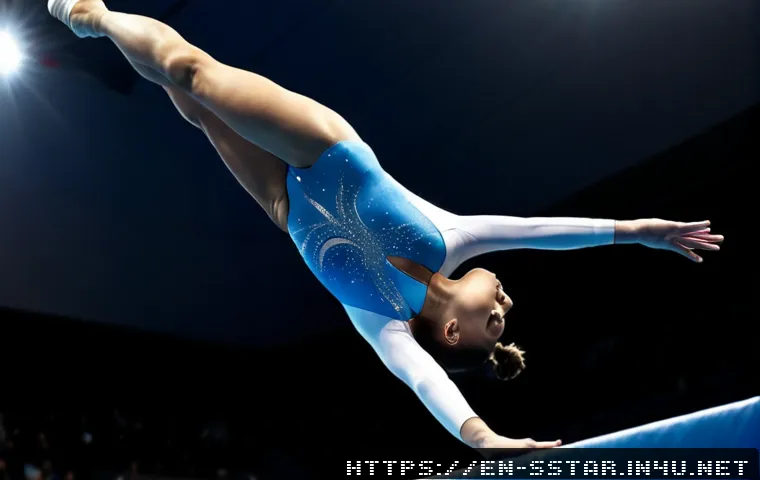
Simone Biles’ named gymnastics skills stand out because they combine extreme rotation, twisting, height, and precise landing control at the highest level of women’s artistic gymnastics.

They are not skills to self-teach: advanced tumbling, beam dismounts, and vaults require qualified coaching, progressive drills, spotting, and purpose-built equipment.
For fans, these elements make her routines easier to appreciate. For parents and developing athletes, they are a useful reminder to compare gymnastics coaching, safety systems, and training facilities by readiness and supervision rather than by the hardest skill advertised.
The right class, competitive program, or advanced skill clinic depends on the athlete’s current fundamentals and the gym’s progression plan. Current Code of Points values and program details should always be checked directly with the relevant organization or gym.
At a Glance
- Simone Biles has multiple named skills in the Women’s Artistic Gymnastics Code of Points, across floor exercise, balance beam, and vault.
- Her signature elements demand unusual combinations of flipping, twisting, body position, and controlled landings.
- These are elite skills that require individual readiness assessment, trained spotting, and appropriate facilities—not home practice.
| Apparatus | Named Skill | Main Challenge | Suitable Training Environment |
|---|---|---|---|
| Floor exercise | Biles: double layout with a half twist | Maintaining a stretched body shape while adding twist and preparing to land | Competitive gymnastics program with progressive tumbling instruction and supervised equipment |
| Floor exercise | Biles II: triple-twisting double back salto | Managing multiple flips and substantial twist in one tumbling pass | Advanced high-performance setting with qualified coaching and individualized progressions |
| Balance beam | Biles beam dismount: double-twisting double back | Completing rotation and twist after leaving a narrow apparatus | Specialist beam training with safe landing areas, spotting, and controlled progressions |
| Vault | Biles II vault: Yurchenko double pike | Converting runway and board power into two piked backward rotations | Fully equipped vault facility with regulation-style apparatus and experienced vault coaching |
Why Biles’ Skills Stand Apart in Elite Gymnastics
Simone Biles’ skills are exceptional because they are not simply “bigger tricks.” They combine several difficult demands at once: powerful takeoff, fast rotation, precise body position, air awareness, and a landing that must remain controlled enough for competition. At this level, a small change in shape, direction, or timing can affect both safety and execution.
The combination of height, rotation, twisting, and landing control
Flipping and twisting are related, but they are not interchangeable. A gymnast must create enough lift to complete the movement, organize the body in the air, recognize the landing surface, and prepare to absorb the landing. The Biles floor skills, beam dismount, and vault each ask for a different version of that control.
What spectators often see is speed. What they may miss is the discipline behind it: consistent basics, repeatable technique, and a coach’s decision about when an athlete is ready for the next progression. Difficulty without control is not a training goal.
Why named skills matter in the Code of Points
A named skill is recognized when an athlete successfully performs a new element at an eligible major international event. Biles has multiple skills named after her in the Women’s Artistic Gymnastics Code of Points. That recognition reflects both innovation and successful competition performance.
It does not mean every gymnast should try to copy the element. The Code of Points is a competitive framework, while an athlete’s daily training plan must be based on their own technical consistency, physical preparation, coaching support, and facility access. Difficulty values and Code details can change across competition cycles, so current information should be verified before making competition decisions.
Three quick takeaways for fans, parents, and athletes
- Fans: Watch the body shape, twist timing, and landing—not only the number of rotations.
- Parents: Ask how a gym teaches progressions and handles spotting before choosing an advanced program.
- Athletes: Build skills in the order set by qualified coaches rather than chasing an elite skill name.
A Skill-by-Skill Comparison Across Floor, Beam, and Vault
Floor exercise: the Biles and Biles II tumbling passes
The first named Biles floor exercise skill is a double layout with a half twist. A layout position is a stretched, relatively straight body shape, which makes the movement visually open and demanding. Adding a half twist while completing two backward rotations requires precise timing and strong awareness in the air.
The Biles II on floor is a triple-twisting double back salto. It combines two backward saltos with three twists. The standout feature is not only the amount of rotation, but the gymnast’s ability to organize twisting and flipping while still identifying the floor for landing.
A common misunderstanding is that a harder floor pass is just a matter of spinning faster. In reality, coaches must consider takeoff mechanics, body shape, direction, landing consistency, and whether the gymnast can safely repeat the preparation skills.
Balance beam: the double-double dismount challenge
Biles’ named beam skill is a double-twisting double back dismount. The dismount begins from the beam, then moves into two backward rotations with two twists before landing on the floor. The narrow beam adds a distinct challenge before the gymnast even leaves the apparatus.
Beam training requires attention to the approach, takeoff direction, and landing alignment. A spectator may focus on the airborne phase, but an athlete’s preparation includes reliable beam basics and a carefully managed path toward more advanced dismount work.
Vault: what makes the Yurchenko double pike so demanding
The Biles II vault is a Yurchenko double pike, first credited to Biles in international competition in 2023. The Yurchenko family involves an entry that leads into a powerful push from the vaulting table. From there, the gymnast completes two backward rotations in a piked body position.
The pike shape matters. It changes how the gymnast must manage rotation after leaving the table. Vault also happens quickly: runway speed, board contact, table contact, body position, and landing must connect in one continuous sequence. This is why advanced vault work belongs in a properly equipped gymnastics facility, not in an informal tumbling space.
Comparison table: motion pattern, risk points, and training setting
| Skill Family | Motion Pattern | Key Risk Point | Training Priority |
|---|---|---|---|
| Advanced floor tumbling | Multiple backward rotations with twist | Loss of shape, incomplete rotation, or uncontrolled landing direction | Progressive tumbling drills, qualified spotting, and consistent landing preparation |
| Advanced beam dismount | Takeoff from beam into twisting double salto | Takeoff alignment and landing control after leaving the apparatus | Beam fundamentals, supervised dismount progressions, and protected landing areas |
| Advanced vault | Run, board contact, table push, then airborne rotation | Errors can begin during the run, board phase, or table contact | Dedicated vault equipment, experienced coaching, and step-by-step technical work |
How the Technique Works Without Oversimplifying It
Power generation, body shape, and air awareness
Elite gymnastics skills begin before the gymnast leaves the floor, beam, or vault. Power must be directed in a usable way, then paired with a body shape that supports the intended rotation. The athlete also needs air awareness: the ability to sense position during movement and prepare for landing.
That does not translate into a safe do-it-yourself checklist. The exact drills, timelines, and coaching methods used for a specific Biles skill are not publicly fixed for every athlete. Individual assessment matters more than copying an elite routine.
The difference between twisting and flipping difficulty
A flip is a rotation around the body’s sideways axis, while a twist turns the body along its length. Combining them raises complexity because the gymnast must manage two rotational demands at once. The Biles II floor skill is a clear example: its challenge comes from the relationship between double salto rotation and triple twisting, not from one feature alone.
For developing gymnasts, the practical lesson is simple: a coach should first look for consistent basics before adding more rotation or twist. A skill that appears close on video may still require a very different level of technical preparation.
Landing mechanics and why deductions matter
Landing is part of the skill, not an afterthought. Competition execution depends on control, and an unstable landing can indicate that the preceding phases were not organized well enough. A gymnast may complete the airborne portion yet still need more preparation before the skill is suitable for routine use.
Parents comparing competitive gyms can ask how coaches evaluate landings. Useful answers focus on consistency, technique, safe progressions, and athlete readiness—not simply whether a gymnast can get a skill around once.
Safety, Progressions, and Common Training Mistakes
Why advanced skills need qualified coaching and proper spotting
High-difficulty skills require extensive progressions, trained spotting, appropriate facilities, and individualized readiness assessment. A qualified gymnastics coach can observe details that are easy to miss from the sidelines, including takeoff direction, body shape, timing, and whether a progression should pause.

Private lessons or an advanced tumbling clinic can be useful in some situations, but the format alone does not establish quality. Ask who coaches the session, how they decide readiness, what equipment is available, and how athletes are supervised.
Mistakes caused by rushing difficulty before basics are consistent
A frequent mistake is treating a named elite skill as a short-term target. Gymnasts may feel pressure after seeing difficult skills online or at meets, but rushing can move attention away from the foundation that makes advanced training possible.
Another mistake is choosing a program only because it advertises advanced skills. A stronger sign is a visible progression plan: coaches can explain what athletes work on first, how they monitor consistency, and when they use additional safety support.
When training surfaces, pits, harnesses, and vault equipment matter
Equipment changes what can be practiced responsibly. Training surfaces, pits, harnesses, and vault equipment can support controlled progressions when used by trained professionals in an appropriate facility. They are not shortcuts that make an advanced skill automatically safe.
When comparing a gym, ask to see the areas used for tumbling, vault, and dismount training. Check whether the equipment matches the athlete’s level and whether the facility has clear rules for supervision and progression.
What These Skills Mean for Aspiring Competitive Gymnasts
Skills to build before considering advanced twisting or double saltos
The correct prerequisite list varies by athlete and coach, so there is no universal shortcut to a Biles-style skill. In general, athletes need consistent fundamental movement patterns, controlled landings, and a technical base that their coach considers dependable before moving toward advanced twisting or double saltos.
It is reasonable to admire elite skills without making them a personal training target. A gymnast’s best next step may be improving basic tumbling, beam confidence, strength, or routine execution rather than adding difficulty.
When a recreational class, competitive team, or specialist clinic fits best
A recreational class can fit athletes who want foundational instruction and enjoyment without a competition pathway. A competitive team program may suit gymnasts ready for structured routines, regular coaching, and progressive skill development. A specialist clinic can make sense when it is led by qualified coaches and supports—not replaces—the athlete’s ongoing program.
The best choice is not necessarily the program with the most advanced advertising. Consider the athlete’s goals, current level, comfort with the environment, and the gym’s approach to safety and communication.
Questions parents and athletes can ask a gymnastics program
- How do coaches decide when an athlete is ready for a new tumbling, vault, or beam progression?
- What spotting and supervision practices are used for advanced skills?
- Which training equipment is available for vault and dismount development?
- How does the program communicate with families about competition pathways and athlete progress?
- Can the gym explain whether private lessons, team training, or a skill clinic is the appropriate option for this athlete?
Choosing Coaching and Training Support: A Practical Comparison
Coaching credentials, athlete-to-coach ratio, and progression planning
When selecting gymnastics coaching, look beyond a program’s list of difficult skills. Ask about the coaches’ experience with the apparatus your athlete trains, how many athletes they supervise in advanced sessions, and how they structure progressions. Clear progression planning is more valuable than a vague promise of rapid skill upgrades.
Facility equipment, safety protocols, and competition pathway
A suitable gymnastics facility should have equipment that matches the work being taught. For athletes considering competitive gymnastics, it is also useful to ask how the program approaches routines, meets, and skill development over time. Equipment access matters, but so do safety protocols and consistent coaching decisions.
Comparing lesson packages, team programs, and advanced skill clinics by value—not price alone
Compare coaching options by what the athlete actually receives: supervision, progression planning, facility access, communication, and a setting appropriate for their current level. A lower-cost option may not be the better fit if it lacks equipment or structured instruction, while a higher-cost option is not automatically better if it cannot explain its safety and training approach.
For coaching packages, competition team programs, tumbling clinics, or gymnastics safety equipment, review the official program details and facility policies before enrolling or purchasing.
Selection Criteria and Comparison Summary
Before choosing a gymnastics gym, private coach, or advanced skill clinic, check these points: qualified coaching, athlete supervision, a written or clearly explained progression plan, access to appropriate vault and landing equipment, safety procedures, and whether the program matches the gymnast’s present level. Ask how the facility handles advanced tumbling and beam dismount training rather than assuming all gyms offer the same support. If mats or home training resources are being considered, use them only within the limits set by a qualified coach and never as a substitute for supervised advanced skill training. Official program pages are the best place to confirm current enrollment details, equipment access, and participation requirements.
In Closing
Simone Biles’ named skills show what elite gymnastics looks like when innovation meets exceptional control. The Biles, Biles II, double-double beam dismount, and Yurchenko double pike are impressive because each combines several technical demands in a single element. For athletes and families, the most useful takeaway is not to imitate them, but to value patient progression, qualified coaching, and an environment built for safe development. Elite difficulty is best appreciated alongside the training reality behind it.
Useful Things to Know
1. A named skill is earned through successful performance of a new element at an eligible major international event.
2. Skill difficulty and Code of Points details can change between competition cycles.
3. The same advanced skill may require different preparation for different athletes.
4. Good gymnastics coaching evaluates readiness, not just ambition.
5. Proper facilities and safety equipment support training progressions but do not replace qualified supervision.
Important Notes
This guide explains the listed skills at a spectator and program-selection level. It cannot determine whether any individual gymnast is ready for advanced tumbling, vaulting, or beam dismounts. Training volume, coaching methods, progression timelines, program availability, and current Code of Points details must be confirmed with qualified coaches, relevant governing bodies, and the specific gymnastics facility.
Frequently Asked Questions
Q1. What gymnastics skills are named after Simone Biles?
A1. Simone Biles has multiple named skills in the Women’s Artistic Gymnastics Code of Points. The skills discussed here include the Biles floor exercise skill, the Biles II floor skill, her double-twisting double back beam dismount, and the Biles II vault, a Yurchenko double pike.
Q2. Is the Biles II vault the hardest skill in women’s gymnastics?
A2. It is an exceptionally demanding vault, but this guide does not rank it as the single hardest skill in women’s gymnastics. Difficulty values and Code of Points details can change across cycles, and comparisons depend on the current rules and the specific elements being evaluated.
Q3. Can a beginner gymnast safely train toward Simone Biles-style tumbling skills?
A3. A beginner should start with foundational gymnastics skills under qualified coaching, not attempt advanced Biles-style tumbling independently. Whether an athlete can progress toward advanced twisting or double saltos depends on individualized readiness, consistent technique, trained spotting, and access to an appropriate gymnastics facility.