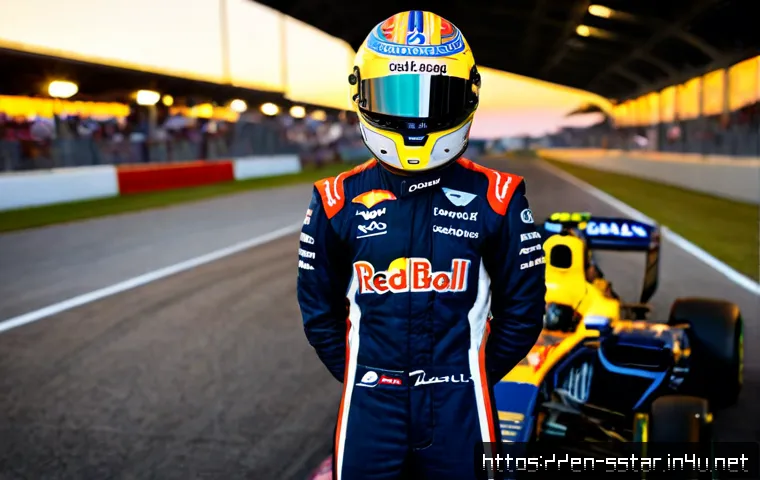
Pierre Gasly has proven race-winning ability, but an F1 championship challenge would require a consistently front-running car and a team that executes at a very high level all season.

His 2020 Italian Grand Prix victory showed what he can do when the opportunity appears; a title fight demands that kind of opportunity repeatedly. Gasly’s GP2 championship and Formula 1 podiums support the case that his talent is not limited to isolated moments.
Still, car development, reliability, qualifying position, strategy, and sustained points scoring would decide whether he could realistically fight for the drivers’ title.
Fans following that possibility can get more value from coverage that shows qualifying, races, replays, and the wider team battle—not just highlights.
For race trips or team gear, the best choice depends on whether the priority is track visibility, access, or supporting a favorite driver.
At a Glance
- Pierre Gasly has already won a Formula 1 race, taking victory at the 2020 Italian Grand Prix with AlphaTauri.
- A championship bid needs more than elite driving: it requires season-long car pace, reliability, strategy, and development.
- One standout weekend can prove potential, but consistent points across a full season are what create a title challenge.
| Level | Car Pace | Reliability and Strategy | Points Pattern |
|---|---|---|---|
| Race Winner | Strong enough to capitalize at a favorable circuit or in unusual conditions | Can execute a single opportunity well | May include occasional exceptional results |
| Podium Contender | Regularly competitive near the front at selected events | Needs clean pit calls and dependable finishing | Frequent high scores, with fewer missed chances |
| Title Contender | Consistently front-running across different circuit types | Reliable operations, effective upgrades, and very few costly weekends | Sustained scoring throughout the entire season |
The Short Answer: What Would Put Gasly in a Genuine Title Fight?
Gasly could enter a genuine championship conversation if his driving is matched by a consistently competitive package. That means a car capable of running near the front over many rounds, not only when a circuit, weather change, safety car, or strategy creates an opening. His career already includes a GP2 title in 2016, Formula 1 podiums, and a Monza win in 2020. The missing part is not a single memorable performance; it is the full-season environment needed to turn strong performances into a points campaign.
Driver Skill Is Necessary, but the Car Sets the Championship Ceiling
A driver can influence qualifying laps, tyre use, overtaking decisions, and race management. But Formula 1 titles are closely tied to the team’s car development, reliability, strategy, and operational execution. Gasly drove for Red Bull Racing during part of 2019 before returning to Toro Rosso, later renamed AlphaTauri. That history is a reminder that a driver’s seat alone does not guarantee championship equipment. A future title-capable car is unknown and must be judged by actual pace, not reputation.
Why a Full-Season Points Record Matters More Than One Standout Weekend
A race win is meaningful evidence of ability, but it is not a complete forecast. A championship contender needs to score strongly when winning is not possible, recover from difficult qualifying sessions, and avoid too many low-scoring weekends. The more useful question is: can Gasly and his team repeatedly convert pace into points? That is the standard that separates a memorable result from a sustained title threat.
From Race Winner to Championship Contender: The Key Performance Gap
The move from occasional winner to title contender is about reducing weak weekends. Gasly has shown he can perform at the highest level in a race-winning situation. For a championship challenge, the benchmark would be regular competitiveness across changing tracks and conditions, plus the ability to collect points even when the car is not the fastest.
Qualifying Pace, Tyre Management, and Wheel-to-Wheel Execution
Qualifying matters because track position shapes strategy and exposure to traffic. Strong racecraft remains valuable, especially when a driver must protect position or create an overtaking chance, but a title campaign cannot rely on fighting back every Sunday. Repeatable qualifying pace, controlled tyre management, and clean wheel-to-wheel decisions give a driver more chances to turn speed into results.
Reliability, Pit Strategy, and Avoiding Low-Scoring Weekends
Modern F1 rewards teams that make few operational mistakes. A quick car can still lose points through reliability trouble, poor strategy timing, or execution errors in the pit lane. Gasly’s prospects would improve most clearly if his team could deliver dependable race weekends while continuing to develop the car. The caution is simple: individual errors or failures can happen to any team, so the important signal is a repeated pattern across several races.
Occasional Winner Versus Credible Title Challenger
| Question to Ask | Occasional Winner | Credible Title Challenger |
|---|---|---|
| Is the car fast everywhere? | May depend on a favorable circuit or race situation | Shows competitive pace across varied weekends |
| Can the team recover from a difficult session? | Recovery may be limited by underlying pace | Can still score strongly when conditions are imperfect |
| What happens after upgrades? | Performance may fluctuate | Development keeps the package in the fight |
| What does the points record show? | High peaks mixed with low returns | Strong, repeatable scoring over the season |
The Team and Car Factors That Could Define His Chances
Gasly’s title ceiling would be shaped heavily by the quality of the car and the team around him. A driver can maximize a package, but cannot independently create the aerodynamic performance, reliability, or strategic consistency required for a championship.
Aerodynamic Development and the Importance of In-Season Upgrades
A title-contending team must remain competitive as the season develops. Early pace is useful, but in-season upgrades can change the order and determine whether a driver stays in contention. Fans should watch whether performance holds up after new parts arrive and whether the team can respond when rivals improve. Treating the opening races as a final verdict is a common mistake.
Power Unit Performance, Reliability, and Operational Consistency
Power unit performance and reliability affect how often a driver can turn qualifying and race pace into points. So do strategy calls and routine race operations. A potential title run needs a team that can make sound decisions under pressure and consistently finish races. Future engine performance, reliability, and competitive order remain uncertain, so they should be assessed as the season unfolds.
Why Teammate Comparisons Can Reveal the True Level of a Car
Comparing teammates can help separate driver performance from car performance. If both cars show similar pace and results, that can suggest a clearer picture of the package. If one driver regularly extracts more, the explanation may involve driving style, qualifying execution, race circumstances, or car characteristics. It is useful evidence, but it should not be treated as a complete answer after one weekend.
How Fans Can Follow a Potential Breakthrough Season
Following a possible breakthrough is more rewarding when fans can see the full context: practice trends, qualifying, race strategy, and how the car compares with its direct rivals. The right viewing or event choice depends on how closely someone plans to follow the season.
Choosing an F1 Streaming Package Based on Live-Race Access, Replays, and Regional Coverage
For casual viewers, a legal F1 streaming subscription with reliable live-race access may be the main priority. Committed followers may value full replays, qualifying coverage, and broader race-weekend programming, because those details reveal whether a driver’s result came from raw pace or changing circumstances. International travelers should check regional availability and coverage conditions before subscribing, since access can vary by location.

Comparing Grandstand, General Admission, and Hospitality Tickets for a Race Weekend
Race-weekend tickets should be chosen around the experience you actually want. Grandstand tickets suit fans who want a defined viewing location. General admission can suit those who prefer flexibility and are comfortable planning their viewing spots. Hospitality options are for visitors who place more value on included services and access. Check the official event page for ticket categories, viewing details, and entry conditions before buying.
Buying Official Team Merchandise Without Confusing Fan Gear With Performance Evidence
Official motorsport merchandise is a simple way to support a driver or team, but it should stay separate from performance analysis. A new cap, shirt, or team collection does not signal a competitive upgrade or a championship-ready car. When choosing fan gear, look for official licensing, sizing information, delivery terms, and return conditions rather than reading sporting meaning into a product launch.
Common Mistakes When Assessing a Driver’s Title Prospects
F1 analysis becomes less reliable when it turns a single result into a season prediction. Gasly’s past achievements deserve respect, but future championship prospects must be judged from current, repeatable evidence.
Overreacting to One Wet Race, Safety Car, or Unusual Circuit Result
Changing weather, safety cars, and circuit-specific strengths can create unusual opportunities. Those moments can reveal a driver’s composure and execution, but they do not automatically prove that the car will be competitive everywhere. Look for repeated pace over several race weekends before calling any driver a title favorite.
Ignoring the Constructors’ Battle and Development Reality
The drivers’ championship is linked to the team’s overall strength. If a team can develop its car, execute strategy, and keep both cars competitive, its drivers have a stronger platform for high scoring. If the package falls behind during the season, even excellent driving may not be enough. This is why the wider team battle matters when evaluating Gasly’s chances.
Assuming a Contract Move Automatically Creates Championship Equipment
Future contract decisions are unknown, and a new seat does not automatically mean a title-contending car. Team performance can change with regulations, development outcomes, engines, reliability, and competition. Judge the equipment on track, then assess whether the driver is maximizing it.
Selection Criteria and Comparison Summary
Before calling Gasly a genuine title favorite, use a simple checklist: consistent qualifying pace, strong points scoring across four races, reliable finishes and clean strategy, competitive teammate comparison, and upgrades that maintain or improve the car’s position. A fan planning to follow every session should compare legal F1 streaming plans for live coverage, replays, and regional availability. For a one-time race trip, compare official ticket categories by viewing location, flexibility, and included access. For apparel or collectibles, review official motorsport merchandise options and product details on the relevant official page.
In Closing
Pierre Gasly has the achievements of a driver who can seize a major opportunity. His Formula 1 win, podium finishes, and junior-series title provide a credible foundation for that view. But an F1 championship is decided by sustained performance, not a single peak result. Until a future car and team package demonstrate repeatable front-running capability, a title challenge remains possible rather than proven.
Useful Things to Know
Watch qualifying as closely as the race: it often shows whether pace is repeatable. Track the team, not only the driver: upgrades, reliability, and strategy affect every result. Use several races as evidence: four weekends can give a more balanced view than one dramatic Sunday. Choose viewing access for your habits: live races may be enough for some fans, while replays and qualifying matter more for detailed analysis.
Important Notes
Future team performance, regulations, engines, contracts, reliability, teammate form, and development outcomes cannot be known in advance. A strong individual result does not confirm a full-season championship challenge. Any streaming plan, race ticket, or official merchandise purchase should be checked against the current terms, availability, and conditions provided by the seller or rights holder.
Frequently Asked Questions
Q1. Has Pierre Gasly won a Formula 1 race?
A1. Yes. Pierre Gasly won the 2020 Italian Grand Prix at Monza while driving for AlphaTauri. He has also achieved Formula 1 podium finishes.
Q2. What would Pierre Gasly need to become a realistic F1 championship contender?
A2. He would need a consistently front-running car, dependable reliability, effective team strategy, successful in-season development, and sustained points scoring across the full season. Elite driving is essential, but it must be supported by the complete team package.
Q3. Is an F1 streaming subscription worth it for fans following one driver’s full season?
A3. It can be worthwhile for fans who want to follow qualifying, live races, replays, and changing team performance rather than relying on short highlights. Compare legal plans based on live-race access, replay availability, regional coverage, and the sessions you are most likely to watch.