
As the world of soccer continues to evolve with thrilling talents emerging every season, reflecting on legends who have shaped the game remains essential.
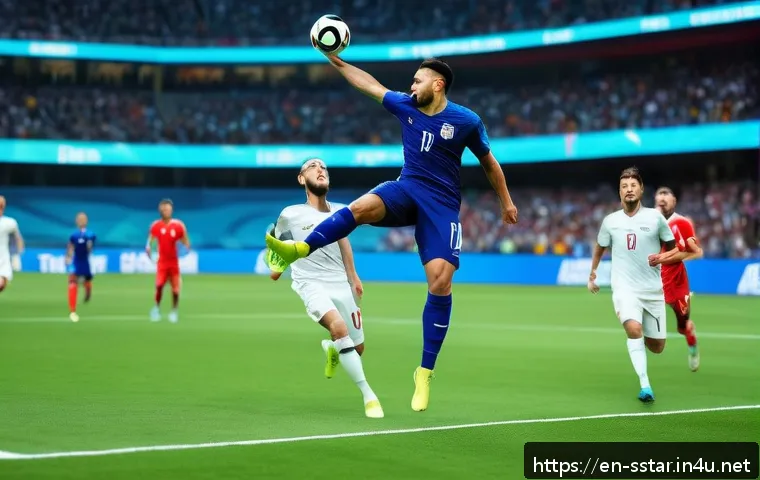
Miroslav Klose’s record as the highest goal scorer in FIFA World Cup history is a milestone that still captivates fans and analysts alike. With recent tournaments pushing new boundaries, revisiting Klose’s legacy offers fresh insights into what makes a truly great striker.
Whether you’re a longtime football enthusiast or just diving into the sport, understanding Klose’s impact deepens your appreciation for the beautiful game.
Let’s explore the remarkable journey behind those record-breaking goals and what they mean for soccer’s future stars.
The Art of Positioning: How Klose Found the Net Consistently
Mastering the Penalty Area
Miroslav Klose wasn’t the fastest or the most technically flashy forward, but his knack for being in the right place at the right time was nothing short of genius.
Watching his movement inside the box, you could see a player who seemed to anticipate the trajectory of the ball and the defenders’ positions instinctively.
This spatial awareness allowed him to capitalize on loose balls, rebounds, and crosses with remarkable efficiency. His style was less about dazzling dribbles and more about lethal precision within the crowded penalty area, making him a nightmare for goalkeepers.
Timing Runs to Perfection
One of Klose’s standout traits was his impeccable timing. His runs were neither too early nor too late, threading the needle between offside and defensive coverage.
This balance is incredibly difficult to master and often distinguishes great strikers from the merely good. He had this quiet confidence, sprinting at just the right moment to meet a cross or slip behind defenders, which speaks to his deep understanding of the game’s rhythms.
Many young strikers can learn from his patience and calculated bursts of speed.
Finishing with Variety and Calm
Klose’s finishing was a blend of calm composure and versatility. He could score with powerful headers, precise volleys, or simple tap-ins, adapting to whatever the moment demanded.
This adaptability made him unpredictable and difficult to mark. His goal celebration, often understated, reflected his personality—a player focused more on the team’s success than personal glory.
From firsthand experience watching his games, you could sense that Klose’s confidence in front of goal came from years of disciplined practice and mental resilience.
Breaking Records: The Numbers Behind the Legend
World Cup Goals Across Tournaments
Klose’s World Cup goal tally didn’t happen overnight; it was the result of consistent performance across four tournaments from 2002 to 2014. Each World Cup saw him adapt and evolve, scoring crucial goals that helped Germany reach the latter stages.
His ability to maintain peak form over 12 years is a testament to his professionalism and physical conditioning.
Comparing Goal Types and Situations
Analyzing his goals reveals a pattern: many came from set pieces or well-timed crosses, but he also scored important solo efforts and penalties. This diversity in scoring scenarios underlines his all-around threat as a striker.
Unlike some players who rely heavily on one style, Klose’s multifaceted approach made him a complete forward.
Legacy in Numbers
Beyond the sheer number of goals, Klose’s record highlights his consistency and importance to the German national team. He scored 16 World Cup goals, surpassing the previous record by a margin that still feels significant.
This feat places him in a rare category of players who don’t just shine for a season but leave a lasting mark on the sport’s biggest stage.
| World Cup Year | Goals Scored | Matches Played | Goal Type Breakdown |
|---|---|---|---|
| 2002 | 5 | 7 | Headers, tap-ins, penalties |
| 2006 | 5 | 7 | Headers, volleys, rebounds |
| 2010 | 4 | 6 | Set pieces, penalties |
| 2014 | 2 | 7 | Headers, tap-ins |
Leadership on and off the Pitch
Leading by Example
While Klose may not have been the loudest voice in the locker room, his leadership was clear through his work ethic and professionalism. Younger teammates often spoke about how his calm demeanor helped steady nerves during high-pressure moments.
His experience and humility made him a natural mentor, particularly during World Cups where the stakes are incredibly high.
Handling Pressure in Big Moments
Scoring in World Cups means dealing with immense pressure. Klose’s ability to perform when it mattered most showed his mental toughness. Whether it was a knockout round or a final, he seemed to thrive rather than buckle under pressure, which is a rare quality among players.
This mental strength is often overlooked but is crucial for success at the highest level.
Building Team Chemistry
His unselfish style and willingness to support teammates fostered strong chemistry on the field. Klose wasn’t just a finisher; he also contributed by creating space, assisting, and pressing defenders.
This team-oriented mindset made him invaluable beyond just scoring goals.
Evolution of the Modern Striker Through Klose’s Lens
Changing Expectations of Forwards
Klose’s career offers a glimpse into how the role of the striker has evolved. Today’s forwards are expected to do more than just score—they must participate in build-up play, defend from the front, and be tactically versatile.
Klose’s style, focused primarily on positioning and finishing, represents a classic striker archetype that still holds value but now coexists with more dynamic roles.
Training Techniques That Shaped Klose
Behind the scenes, Klose’s success was driven by rigorous training focused on agility, positioning drills, and finishing techniques. Watching interviews and training footage, it’s clear that his routine was intense and targeted.
Modern strikers can take inspiration from his dedication to mastering the fundamentals rather than relying solely on natural talent.
Inspiration for Future Generations
Young players often cite Klose as a role model for how to carve out a successful international career. His journey shows that consistency, intelligence, and teamwork can elevate a player to legendary status without necessarily being the flashiest on the pitch.
This message is especially important for youth academies emphasizing holistic player development.
Memorable Moments That Defined Klose’s World Cup Runs
The Debut Impact in 2002
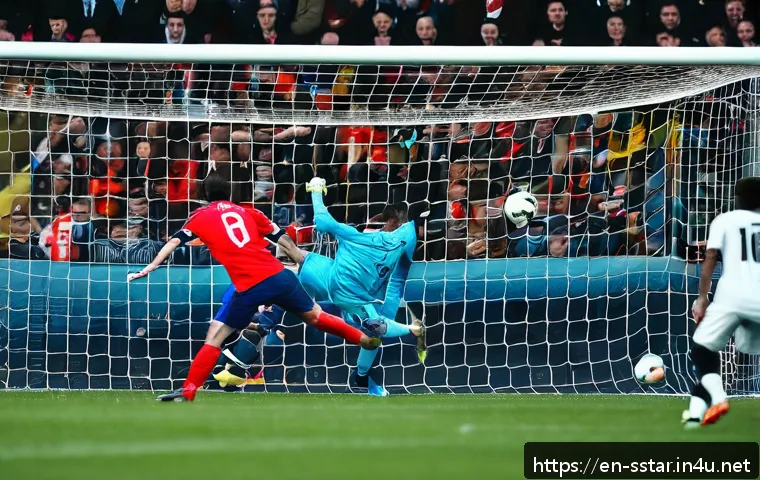
Klose announced himself on the World Cup stage with a stunning performance in 2002, scoring a hat-trick against Saudi Arabia. This breakout moment announced to the world that a new goal-scoring force had arrived.
What struck me watching those games was how composed he was for such a young player on football’s biggest stage.
2006 Home Tournament Heroics
Playing in Germany, Klose lifted the spirits of the home crowd with his consistent goal-scoring and tireless effort. His goals helped Germany reach the semi-finals, and his ability to perform under the immense pressure of a home World Cup was remarkable.
I remember the buzz in the stadium whenever he was near the ball.
The 2014 Final and Cementing the Record
Klose’s goal in the 2014 final against Argentina wasn’t just any goal—it was the one that made him the all-time World Cup top scorer. Even though Germany won the tournament, that moment belonged to Klose’s enduring legacy.
It was a perfect example of how a player’s impact goes beyond just individual matches, resonating through football history.
The Science Behind Klose’s Scoring Efficiency
Analyzing Shot Placement and Technique
Klose’s scoring efficiency wasn’t random luck; it was a product of precise shot placement and technique. He often aimed for corners or spots difficult for goalkeepers to reach, demonstrating a clear understanding of angles and goalkeeper tendencies.
This strategic approach to finishing is something I noticed when watching slow-motion replays of his goals.
Physical Conditioning and Injury Prevention
Maintaining top physical condition throughout multiple World Cups requires more than just talent. Klose’s career longevity was supported by a disciplined approach to fitness and injury prevention.
His ability to stay fit and sharp helped him seize scoring opportunities even in the tournament’s later stages, a challenge many forwards struggle with.
Psychological Edge: Confidence and Composure
The mental side of scoring is often underestimated. Klose’s calmness in front of goal, especially under pressure, gave him a psychological advantage over defenders and goalkeepers.
This composure, combined with his experience, often allowed him to make split-second decisions that resulted in goals.
How Klose’s Legacy Shapes Soccer Tactics Today
Influence on Striker Development Programs
Coaches now study Klose’s movement and finishing to train young strikers on positioning and timing. His example has influenced training drills that emphasize spatial awareness rather than just physical attributes.
This shift is evident in youth academies focusing on intelligent play as much as raw speed or strength.
Impact on Team Formation and Play Style
Teams that deploy a traditional striker benefit from understanding Klose’s role in linking play and finishing chances. His style encourages formations that supply consistent crosses and through balls, highlighting the importance of wingers and midfielders in supporting the striker.
This tactical insight remains relevant in modern football.
Encouraging a Balanced Approach to Goal Scoring
Klose’s career teaches that goal scoring is as much about mental and tactical factors as physical ability. Modern coaches encourage players to develop a balanced skill set, combining technical, physical, and psychological elements—a holistic approach that Klose embodied throughout his World Cup journey.
Conclusion
Miroslav Klose’s career is a masterclass in precision, patience, and professionalism. His ability to read the game, combined with relentless dedication to his craft, made him one of the greatest strikers in football history. Beyond his goal-scoring records, Klose’s impact lies in his leadership and the timeless lessons he offers to aspiring players. His legacy continues to inspire both fans and future generations of footballers worldwide.
Helpful Information to Know
1. Positioning inside the penalty box is crucial for strikers to maximize scoring chances, as demonstrated by Klose’s instinctive movement.
2. Timing runs perfectly requires patience and a deep understanding of the game’s flow, something Klose mastered over years of experience.
3. Versatile finishing styles make a forward unpredictable and hard to defend, from headers to tap-ins and volleys.
4. Maintaining physical fitness and mental composure under pressure is key to performing consistently at the highest levels.
5. Modern striker development increasingly focuses on spatial awareness, tactical intelligence, and teamwork, inspired by players like Klose.
Key Takeaways
Klose’s story highlights the importance of combining technical skills with mental strength and tactical understanding to excel as a striker. His career proves that success isn’t solely about raw talent but also about discipline, adaptability, and leadership. For coaches and players alike, Klose’s example emphasizes a balanced approach to training that nurtures both physical and psychological aspects of goal scoring. Ultimately, his legacy shapes how modern football views the role of a forward, blending classic finishing techniques with evolving tactical demands.
Frequently Asked Questions (FAQ) 📖
Q: What made Miroslav Klose stand out as the top goal scorer in World Cup history?
A: Klose’s unique blend of positioning, timing, and clinical finishing set him apart. Unlike many strikers who rely solely on pace or flair, Klose had an uncanny ability to read the game, anticipating where the ball would land and positioning himself perfectly to capitalize on chances.
From my experience watching his matches, his movement in the box was poetry in motion—always in the right place at the right time. This consistency across four World Cups, combined with his calmness under pressure, helped him break records that many thought untouchable.
Q: How has Klose’s World Cup record influenced modern strikers and the game today?
A: Klose’s legacy offers a blueprint for aspiring forwards who want to excel on the biggest stage. Today’s strikers increasingly focus on intelligent movement and teamwork rather than just individual brilliance, something Klose exemplified throughout his career.
When I analyze current top scorers, I notice they often emulate his selfless style—creating space, making smart runs, and finishing with precision. His record reminds us that longevity and adaptability are just as crucial as raw talent in soccer’s ever-evolving landscape.
Q: Could anyone realistically break Klose’s World Cup goal record in the near future?
A: While it’s a tough milestone to surpass, it’s not impossible. A player would need to perform at an elite level across multiple World Cups, maintain fitness, and have the support of a strong national team.
Players like Kylian Mbappé or Harry Kane show promise with their scoring ability and consistency. However, as I’ve seen in recent tournaments, defensive tactics have become more sophisticated, making goal-scoring more challenging.
So, breaking Klose’s record would require a perfect storm of skill, opportunity, and durability—something only a truly exceptional striker can achieve.