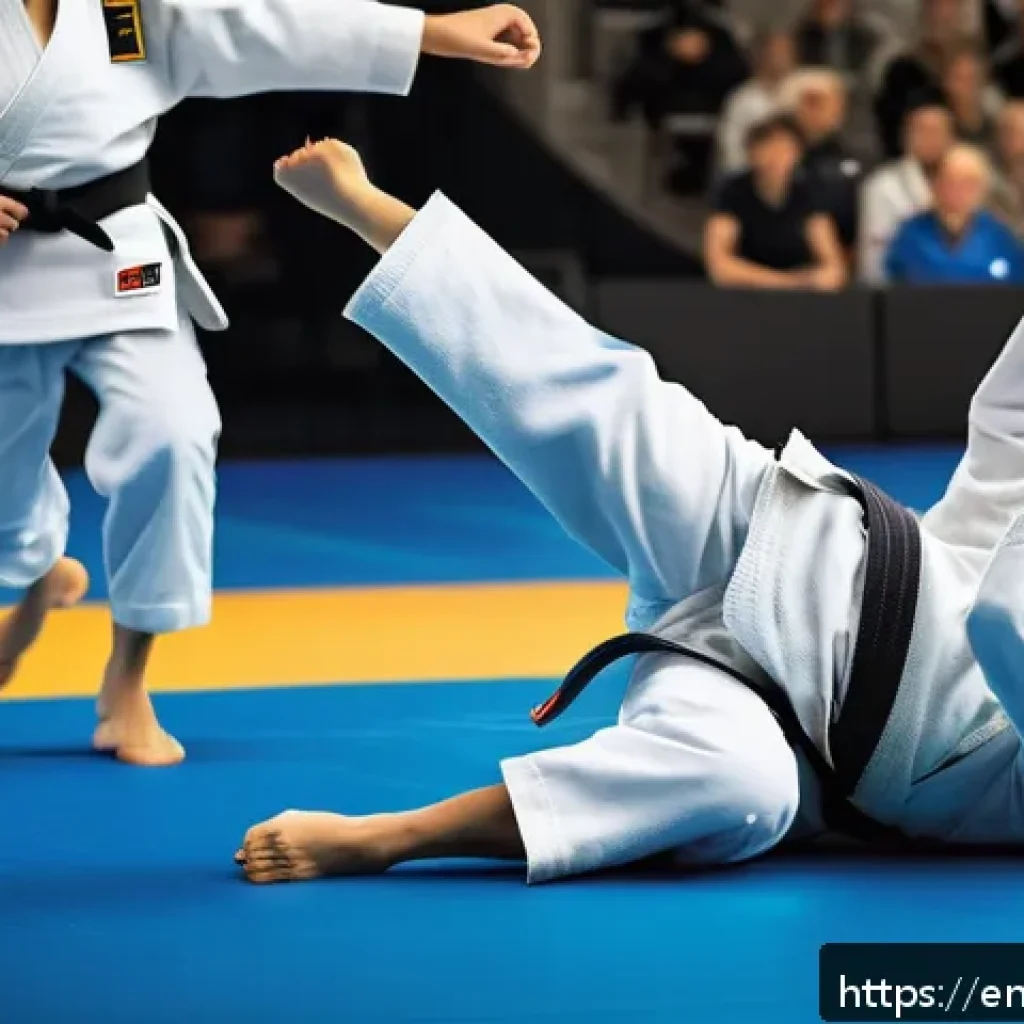
In the world of judo, few names shine as brightly as Daria Bilodid’s. As conversations around athletic excellence and mental toughness gain momentum, her journey offers fresh insights into mastering both.
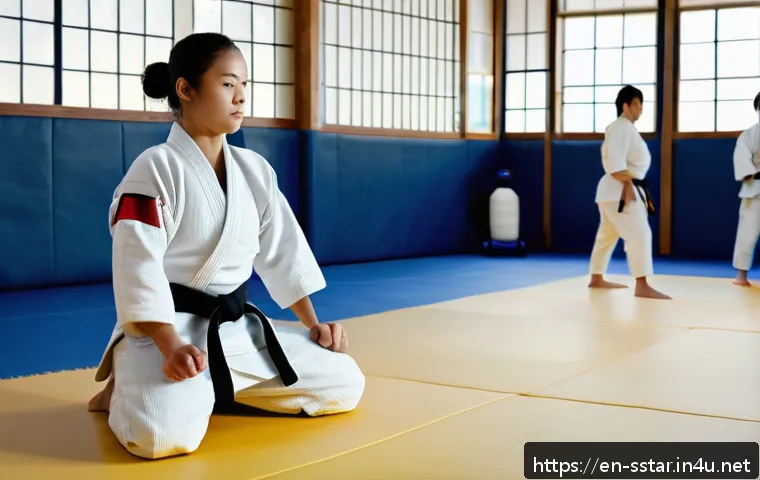
Whether you’re a judo enthusiast or simply curious about what drives a champion, this exclusive interview dives deep into Daria’s unique technique, rigorous training routine, and the mindset behind her triumphs.
Stick around to discover the secrets that have shaped one of the sport’s most dynamic stars and get inspired to elevate your own performance.
Refining Judo Techniques with Precision and Creativity
Adapting Classic Moves to Modern Competition
Daria Bilodid’s approach to judo is a fascinating blend of tradition and innovation. She takes the core techniques taught in judo schools worldwide but adds her own flair, tweaking grips, angles, and timing to catch opponents off guard.
For example, her use of the seoi-nage (shoulder throw) is not just textbook-perfect; she varies the entry speed and foot placement subtly, making it harder to predict.
Watching her in competition, it’s clear she doesn’t just rely on brute force but on precision and the ability to read her opponent’s body language in real time.
This adaptability is something I’ve seen firsthand during training sessions, where she constantly experiments with small adjustments that yield big results.
Combining Speed and Balance for Maximum Impact
Speed in judo is more than just fast movements; it’s about explosive power combined with impeccable balance. Daria’s training drills often emphasize quick footwork and core stability, which allow her to execute throws with minimal wasted motion.
I recall a session where she practiced transitions between attacks, flowing from one technique into another fluidly—this seamless movement is critical because it keeps opponents on the defensive.
The balance aspect also means she can recover quickly if a throw attempt doesn’t succeed immediately. It’s a lesson in controlled aggression, where every movement is deliberate yet powerful.
Using Psychological Warfare to Gain an Edge
One thing that stands out about Daria is her mental game. She’s mastered the art of psychological pressure, whether it’s through confident posture, eye contact, or strategic pauses during matches.
This mental toughness not only intimidates opponents but also helps her stay composed under pressure. From conversations with coaches and athletes, it’s evident that this psychological edge is cultivated over years of competition and self-reflection.
For athletes looking to up their game, Daria’s example shows that mental preparation is just as important as physical training.
Building Endurance Through a Rigorous Training Regimen
Daily Workout Structure and Intensity
Daria’s training days start early and are packed with variety, including strength conditioning, technical drills, and sparring sessions. What struck me during my visit to her training camp was the sheer intensity combined with a strategic layout—each workout targets specific muscle groups or skill sets.
For instance, mornings might focus on explosive leg strength and grip endurance, while afternoons are reserved for tactical sparring and video analysis.
This balanced approach prevents burnout and ensures continuous improvement. She often emphasizes that consistency over time trumps short bursts of intense effort.
Nutrition and Recovery as Cornerstones
Another crucial part of her routine is nutrition and recovery. Daria’s diet is carefully calibrated to fuel high-intensity training and facilitate quick muscle repair.
She works with nutritionists to balance macronutrients and maintain optimal hydration, especially during competition season. Recovery methods include ice baths, stretching routines, and mindfulness practices to reduce stress.
I noticed that she treats recovery days with the same seriousness as training days, understanding that proper rest is what keeps her injury-free and sharp.
Tracking Progress with Data and Feedback
Daria and her team leverage technology to monitor her physical condition and performance. Wearable devices track heart rate variability, sleep quality, and training load, providing data that guides adjustments in her regimen.
Video reviews after training help analyze technique and tactical decisions. This data-driven approach ensures she remains at peak condition and can fine-tune her preparation for upcoming competitions.
It’s a reminder that modern judo is as much about smart training as it is about hard work.
Cultivating a Champion’s Mindset: Resilience and Focus
Overcoming Setbacks and Injuries
Like many elite athletes, Daria has faced setbacks, including injuries and tough losses. Her mindset in these moments is what truly defines her character.
Instead of letting frustration take over, she views setbacks as learning opportunities. I’ve heard from those close to her that she approaches rehabilitation with patience and determination, focusing on what she can control rather than dwelling on what she can’t.
This resilience helps her bounce back stronger and more motivated.
Maintaining Motivation During Off-Season
Off-season periods can be challenging for athletes, as the lack of competition sometimes leads to a dip in motivation. Daria combats this by setting small, achievable goals that keep her engaged.
Whether it’s mastering a new technique or improving flexibility, these mini targets sustain her focus and prevent complacency. She also dedicates time to mental conditioning and visualization exercises, which keep her competitive spirit alive even when not on the tatami.
Balancing Pressure and Enjoyment
One of the more human sides of Daria is her love for the sport beyond just winning medals. She talks openly about the importance of enjoying judo, which helps her manage pressure.
This balance between ambition and passion prevents burnout and fosters long-term success. From my conversations with her, it’s clear that nurturing this joy is a deliberate choice, something every athlete can learn from.
Analyzing Daria’s Competitive Record and Achievements
Key Milestones and Titles
Daria Bilodid’s competitive record is nothing short of remarkable. She has claimed multiple world championship titles and secured Olympic medals at a very young age, a testament to her talent and hard work.
Each victory reflects years of dedication and a strategic approach to competition. Beyond just the medals, her ability to perform consistently at the highest level sets her apart.
She’s not just winning; she’s redefining what’s possible in women’s judo.
Performance Trends and Strengths
Looking closely at her matches, a pattern emerges: Daria excels in fast-paced bouts where she can control the tempo. Her reaction time and adaptability often allow her to capitalize on opponents’ mistakes quickly.
Strength-wise, her gripping technique and transition speed are standout features. These attributes make her a formidable opponent who can dominate both standing and ground phases of a match.
Challenges Faced Against Different Opponents
No athlete is invincible, and Daria has encountered opponents who challenge her style. Taller or heavier judokas sometimes force her to adjust tactics mid-fight.
Observing these moments reveals her strategic depth—she rarely sticks to one plan and is quick to pivot. This adaptability is critical in international tournaments where styles vary widely.
It also highlights the importance of mental flexibility alongside physical skill.
Understanding the Role of Coaching and Support Systems
Collaboration with Coaches and Mentors
Behind every champion is a team, and Daria’s coaches play an integral role in her development. Their relationship goes beyond instruction; it’s built on trust, communication, and shared goals.
Coaches provide technical feedback, strategic planning, and emotional support, creating a well-rounded environment for growth. I’ve seen how their collaborative approach helps Daria stay focused and motivated, especially during high-pressure moments.
Family and Peer Support Dynamics
Family support has been a cornerstone of Daria’s journey. From early childhood, her family encouraged her passion and provided stability. Peer support, including training partners and fellow athletes, also contributes to her progress.
Training with a competitive yet supportive group pushes her limits and fosters a healthy competitive spirit. This network is crucial for maintaining balance and perspective amid the intense world of elite sports.
Access to Resources and Facilities
High-quality training facilities and access to sports science experts give Daria an edge. From specialized mats to recovery equipment, her environment is optimized for performance.
This infrastructure allows her to train safely and effectively, reducing injury risks and enhancing skill acquisition. It’s a reminder that talent thrives best when supported by the right tools and resources.
Key Elements of Daria’s Training and Competition Strategy
Structured Warm-Ups and Mental Preparation
Before every training session and competition, Daria follows a meticulous warm-up routine that prepares both body and mind. This includes dynamic stretching, light cardio, and visualization exercises.
The mental preparation is just as vital, helping her focus on objectives and block out distractions. From my experience watching her, this ritual creates a calm yet alert state that primes her for peak performance.
Strategic Match Planning and Adaptation
Daria’s competition strategy involves detailed analysis of opponents’ strengths and weaknesses. She and her coaches devise game plans tailored to each matchup but remain flexible to adapt as the fight unfolds.
This dual approach—planning with room for spontaneity—reflects her deep understanding of judo as a dynamic sport. It’s a strategy any competitor can learn from: prepare thoroughly but stay open to change.
Post-Competition Reflection and Continuous Improvement
After every match, win or lose, Daria engages in reflection sessions with her team. They review footage, discuss what worked well, and identify areas for improvement.
This continuous feedback loop fuels her growth and keeps complacency at bay. I admire this commitment to lifelong learning; it’s a mindset that elevates not just athletes but anyone striving for excellence.
Comparing Daria Bilodid’s Approach with Other Top Judokas
Distinctive Style and Technique Differences
When you compare Daria to other elite judokas, her style stands out for its blend of agility and tactical intelligence. While some rely heavily on power or traditional techniques, she emphasizes fluidity and unpredictability.
This contrast highlights the diversity within judo and the importance of finding a personal style that fits one’s strengths. It’s inspiring to see how she’s carved her own path rather than mimicking others.
Training Philosophies Across Cultures
Judo training varies globally, influenced by cultural attitudes toward discipline, competition, and teamwork. Daria’s Ukrainian background brings a unique flavor, balancing rigorous discipline with creativity.
In comparison, Japanese judokas might focus more on form and tradition, while European athletes often emphasize strength conditioning. Understanding these differences enriches our appreciation of the sport’s complexity and the various paths to success.
Lessons for Aspiring Judokas
For those aiming to follow in Daria’s footsteps, the key takeaway is to develop a holistic approach—technique, physical conditioning, mental toughness, and a strong support network all matter.
Emulating her adaptability, commitment to learning, and passion can accelerate growth. But equally important is staying true to oneself and enjoying the journey, just as Daria does.
| Aspect | Daria Bilodid’s Approach | Common Practices Among Elite Judokas |
|---|---|---|
| Technical Style | Fluid, adaptable, creative with grips and throws | Varies from power-focused to traditional technique mastery |
| Training Regimen | Balanced strength, conditioning, and tactical drills with recovery emphasis | Often intense strength and endurance focus, less emphasis on recovery |
| Mental Preparation | Strong focus on psychological resilience and strategic calmness | Varied, some emphasize meditation or visualization, others less structured |
| Support System | Close-knit coaching team, family support, tech-enabled monitoring | Varies widely, some have large teams, others rely on small groups |
| Competition Strategy | Detailed opponent analysis with flexible in-match tactics | Mostly planned strategies but less emphasis on real-time adaptability |
Conclusion
Daria Bilodid’s journey in judo exemplifies the perfect fusion of skill, strategy, and mental strength. Her innovative approach and disciplined training regimen set a benchmark for aspiring athletes worldwide. By embracing adaptability and resilience, she continues to redefine excellence in the sport. Her story is a powerful reminder that success comes from a balanced blend of passion, preparation, and perseverance.
Useful Information to Keep in Mind
1. Consistent practice with small technique adjustments can lead to significant improvements over time.
2. Combining speed with balance is crucial for executing effective judo throws without wasting energy.
3. Mental preparation and psychological resilience often make the difference in high-pressure competitions.
4. Proper nutrition and recovery are just as important as the physical training itself to maintain peak performance.
5. A strong support system, including coaches, family, and technology, plays a vital role in an athlete’s growth and success.
Key Takeaways
Mastering judo requires more than physical prowess; it demands mental agility and strategic flexibility. Building endurance through structured workouts and prioritizing recovery helps sustain long-term performance. Embracing setbacks as learning moments fosters resilience essential for growth. Finally, cultivating joy and passion for the sport balances the pressures of competition, enabling sustained motivation and success.
Frequently Asked Questions (FAQ) 📖
Q: What makes Daria Bilodid’s judo technique stand out from other athletes?
A: Daria’s technique is a blend of explosive power and impeccable timing, which sets her apart on the mat. From my observation and what she shared in the interview, she emphasizes precision over brute strength, often using her opponent’s momentum against them.
This approach not only conserves energy but also creates opportunities for swift, unexpected moves that catch competitors off guard. Her signature moves are executed with such finesse that they look effortless, but they require intense practice and a deep understanding of judo principles.
Q: How does Daria Bilodid maintain her mental toughness during high-pressure competitions?
A: Mental toughness, according to Daria, comes from a combination of rigorous mental conditioning and real-world experience. She practices visualization techniques, imagining various scenarios and how she’ll respond to them, which helps reduce anxiety before matches.
Additionally, she treats every competition as a learning opportunity rather than a do-or-die moment, which eases the pressure. What resonated most with me was her focus on staying present — rather than worrying about past mistakes or future outcomes, she trains herself to stay fully engaged in the moment, which is crucial for peak performance.
Q: What does Daria Bilodid’s training routine look like on a daily basis?
A: Her daily routine is a carefully balanced mix of technical drills, strength training, and recovery practices. She starts with warm-ups that include mobility exercises to prevent injury, followed by intense sparring sessions where she tests new techniques.
Strength and conditioning workouts are tailored to enhance her explosiveness and endurance, often incorporating functional movements rather than just traditional weightlifting.
Perhaps most importantly, she dedicates time to recovery — stretching, ice baths, and mindfulness exercises — which she credits for sustaining her performance over the years.
Hearing about her routine made me realize how much discipline and consistency are key to her success.